Historical archives contain vast amounts of valuable information, but handwritten documents have traditionally presented a challenge when it comes to searchability and accessibility.
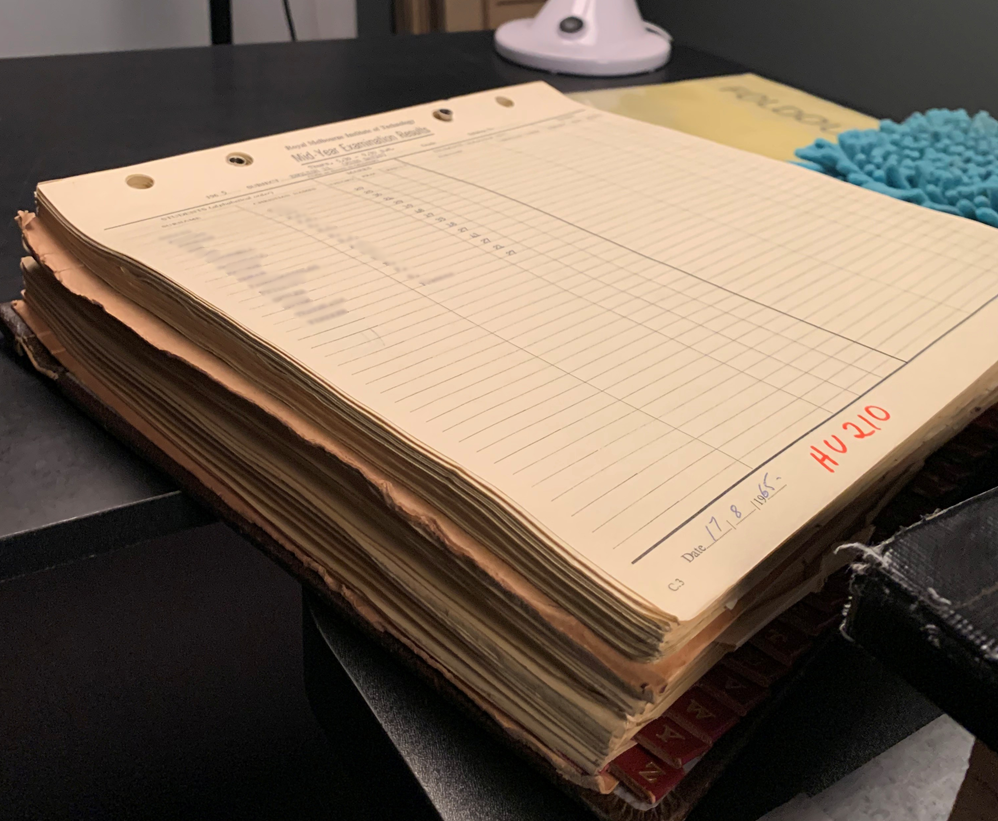
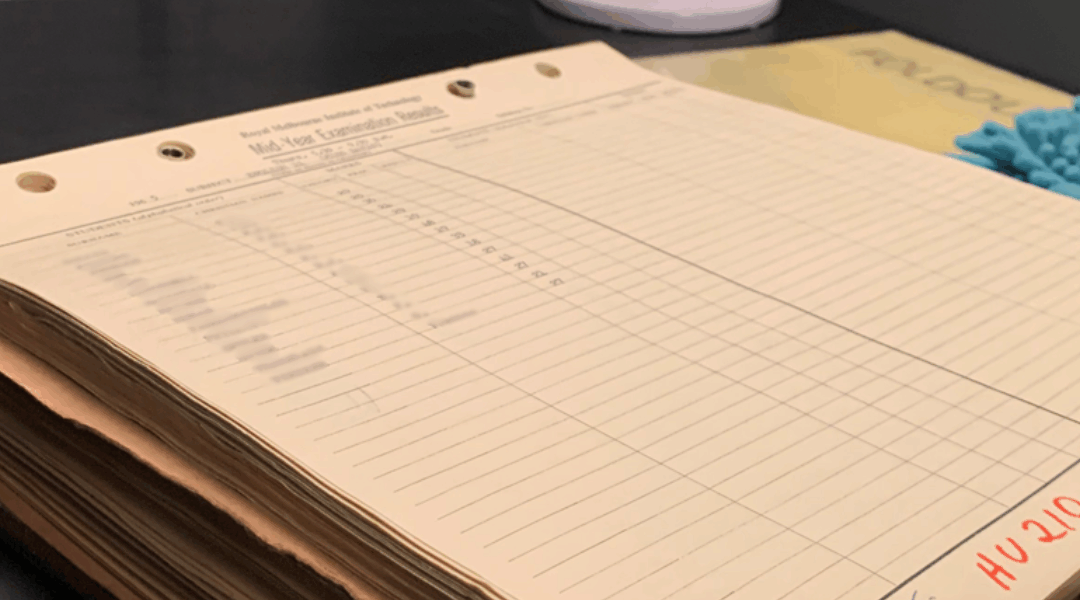
At RMIT University Archives, a collection of Exam Registers dating back to the institution’s beginnings as the Working Men’s College in 1887 provides a rich record of student enrolments, courses and the growth of both the University and Melbourne itself.
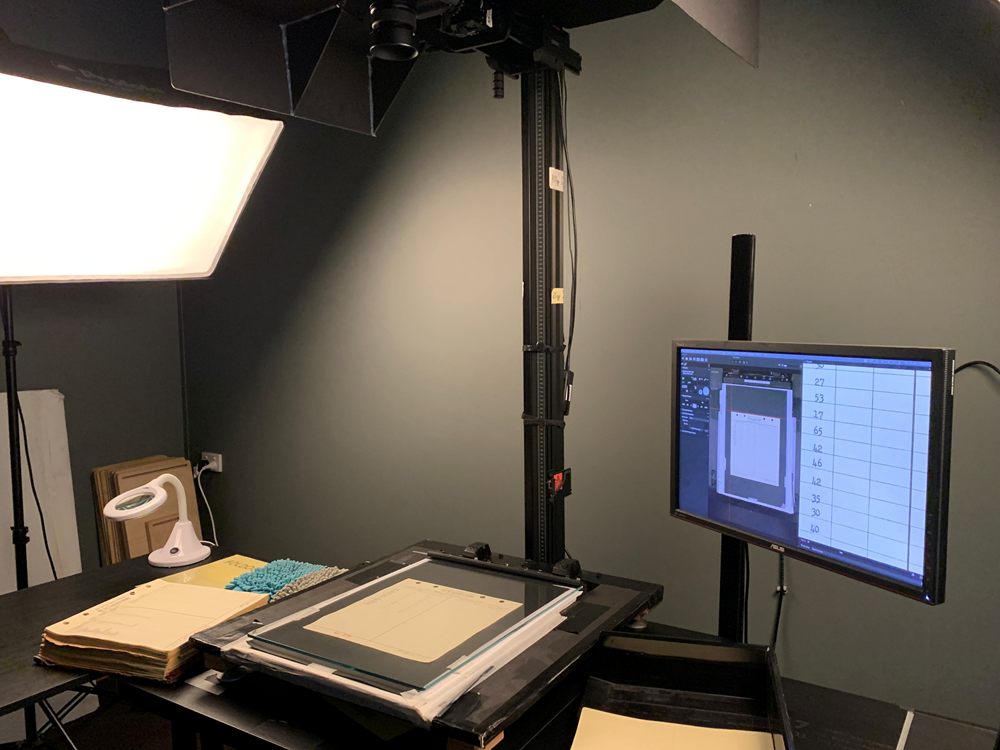
As part of a digitisation project undertaken with DatacomIT, RMIT University Archives sought to not only preserve these important records but also improve access to the information they contain. The project involved digitising the exam registers and applying DatacomIT Handwritten Text Recognition (HTR) technology to convert the handwritten content into searchable text.
By transforming thousands of handwritten entries into machine-readable data, the RMIT team can now quickly search records that previously required manual examination of individual volumes. This has significantly improved the speed and efficiency of responding to research enquiries while revealing information that was previously difficult to access.
According to the RMIT University Archives team:
“This has not only helped us preserve the condition of the registers, it has unlocked access to much more information within them as they’re now quickly and easily searchable, and has made the process and our response times more efficient.”
The Archives team also reported strong results from the HTR process.
“We have been really pleased with the accuracy of the HTR technology and look forward to seeing how it develops.”
Projects such as this demonstrate how HTR technology is changing the way organisations interact with historical collections. Rather than simply creating digital images of documents, HTR enables handwritten records to become searchable resources, making valuable information easier to discover, analyse and share.
For archives, libraries, universities and heritage organisations, the combination of digitisation and Handwritten Text Recognition is helping unlock the full value of historical collections while preserving them for future generations.